
TL;DR
- Green spot algae is the most frequent recurring complaint your customers bring to the counter; a blade scraper is the tool that removes it without chemicals.
- Aquarium algae scraper with replaceable double-sided blades turns a one-time sale into a repeat blade business.
- The 2-in-1 design (scraper + sand leveler) gives you two selling points from one SKU.
- Three lengths cover nano, standard and deep tanks — one shelf, three price points.
- Wholesale MOQ starts at 10 pcs, samples available and deductible from bulk orders.
—
1. Why Green Spot Algae Is a Retail Problem You Can Solve
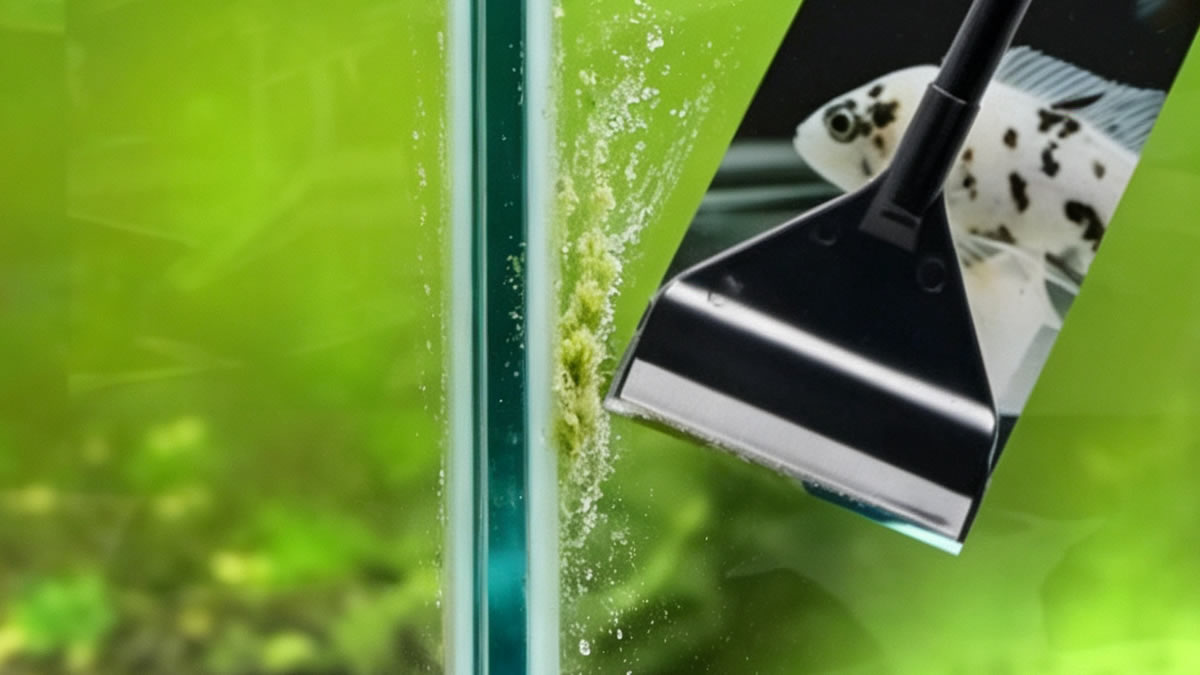
Green spot algae sticks to aquarium glass like a mineral deposit. Magnets and sponges smear it, water changes weaken it slowly, and chemicals stress fish. The customer comes back three times, then gives up — or worse, blames the product they bought from you.
An aquarium algae scraper removes green spot algae in one pass, no chemicals, no waiting. That is the fix you can put on the shelf today.
For customers who want to know how to remove algae from aquarium glass without chemicals, this is the honest answer: mechanical removal beats chemical treatments for hard deposits, and it is safer for fish, plants and invertebrates. That conversation happens at your counter dozens of times a month — and the tool that answers it is a blade scraper.
2. Aquarium Algae Scraper vs. Magnetic Cleaner: Why the Blade Wins
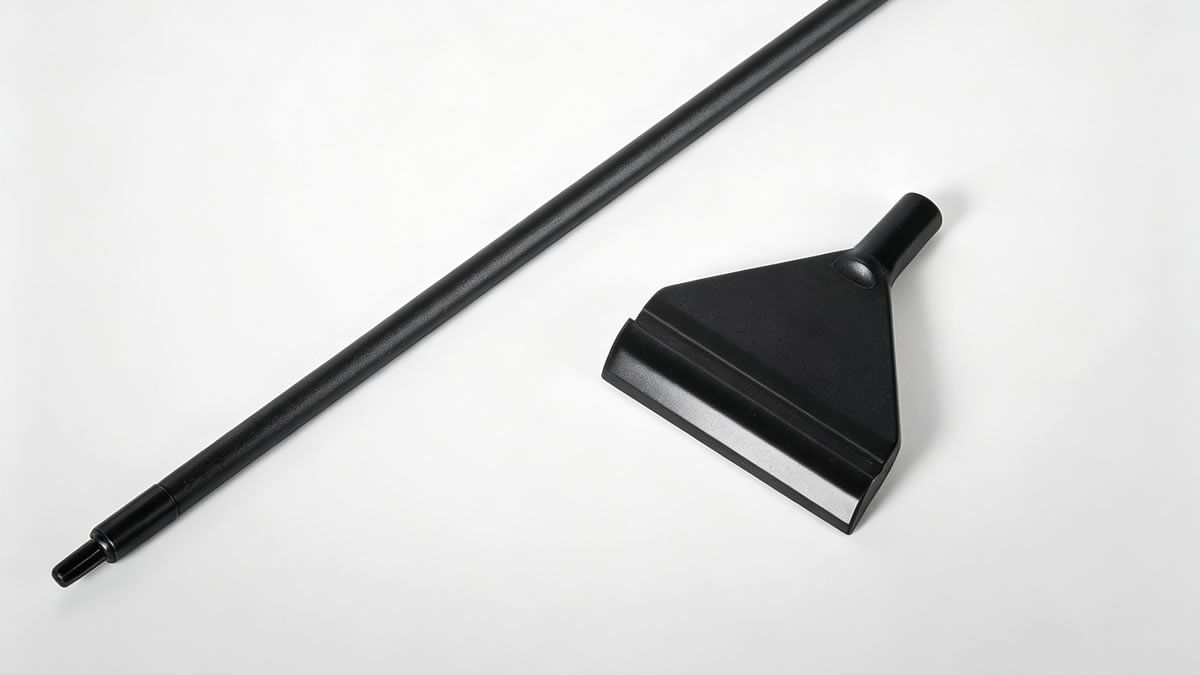
Magnetic cleaners remove soft film algae and light dust. They cannot touch hard green spot algae. Most hobbyists already own a magnet — that is exactly why selling them another magnet rarely works.
The aquarium algae scraper cuts through the deposit at the glass surface. It does what no magnet can do, which makes it the upgrade your customers actually need. And because it is a tool they do not own yet, it is a genuine new sale, not a replacement of the same thing.
The difference shows in seconds: drag a magnet across green spot algae and the deposit stays; drag a blade across it and a clean strip appears. Every time a customer asks how to remove algae from aquarium glass without chemicals, you have the answer in your hand.
3. The Blade System: Replaceable, Double-Sided, Repeatable
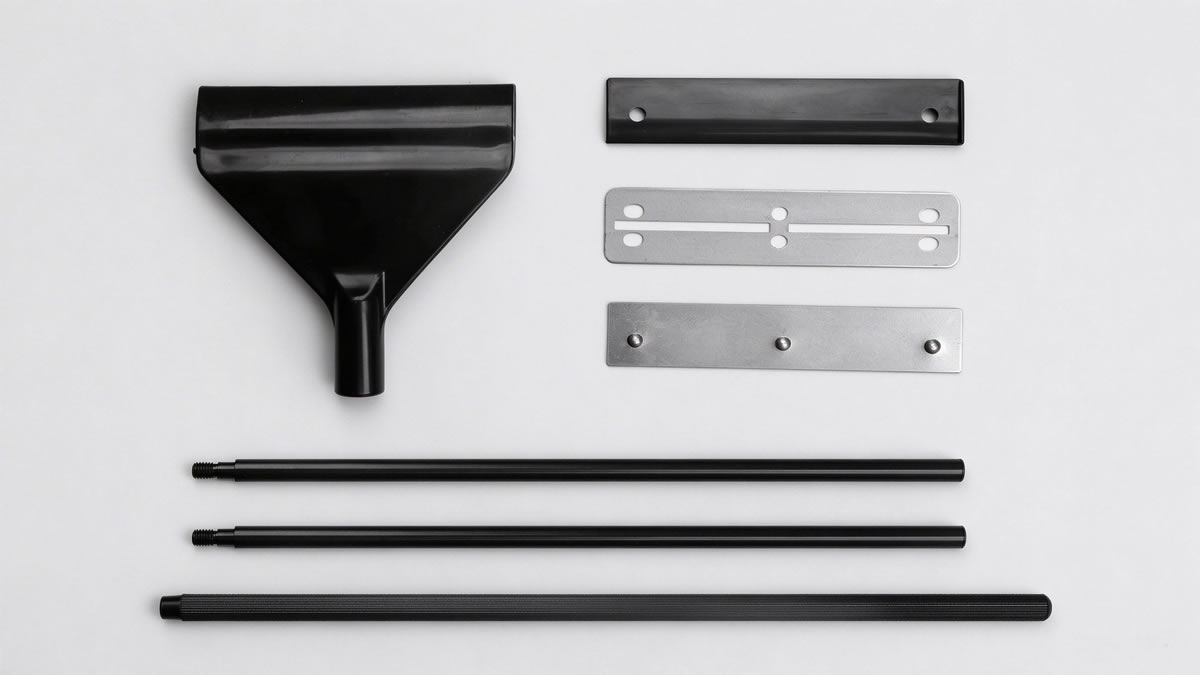
This is where the aquarium algae scraper blade becomes a business model. Each unit ships with five double-sided stainless-steel blades. When one side dulls, the customer flips it; when both sides dull, they buy a replacement pack.
You are not selling one tool — you are opening a consumables line. Spare blades can be ordered as a separate SKU, which means a recurring order every few months for every scraper you sell.
The blade economics are simple to explain: one scraper sale plus four blade refills over two years equals more margin than most filters generate in the same period. Retailers who track repeat purchases see the blade line outperform the main tool within the first quarter.
4. One Tool, Two Jobs: Scraper + Sand Leveler
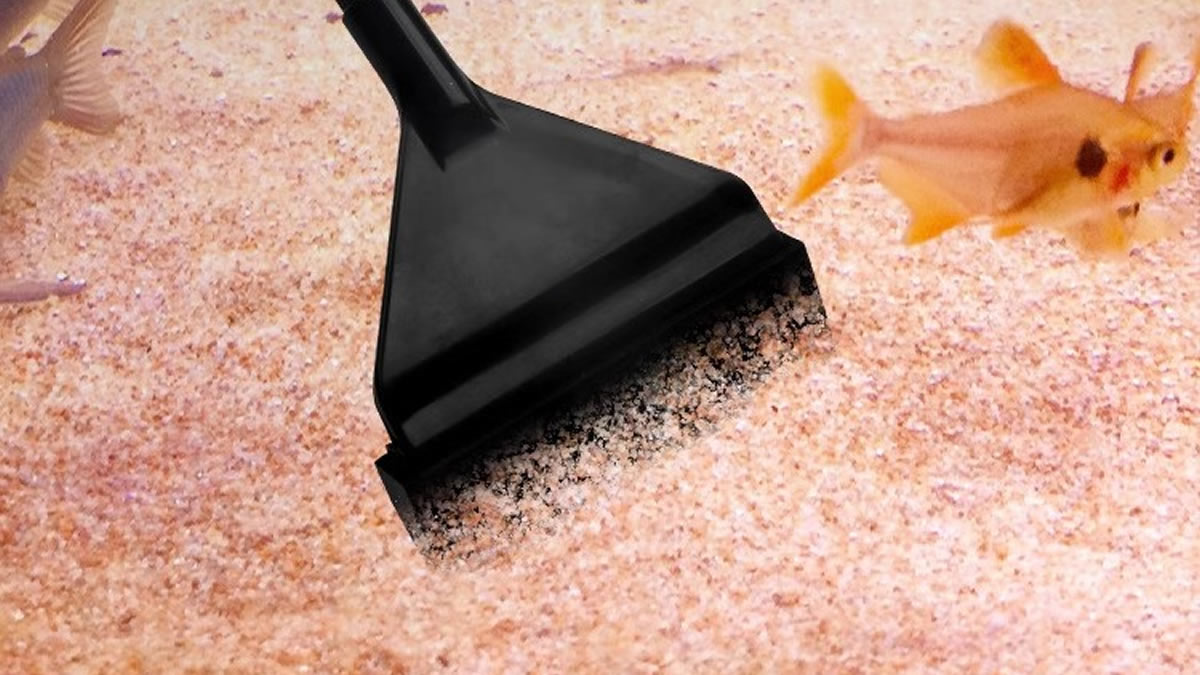
The protective cover changes the aquarium algae scraper into a sand leveler. Customers with aquascaped tanks use it to smooth substrate after planting or rescaping. That is a second use case you can sell in the same conversation.
For you, it means one SKU that answers two customer needs — cleaning and aquascaping. Fewer SKUs on the shelf, more reasons to buy.
It also cuts returns: because the cover protects the blade when not in use, customers are less likely to damage the edge in storage.
5. Three Sizes, One Shelf, Three Price Points
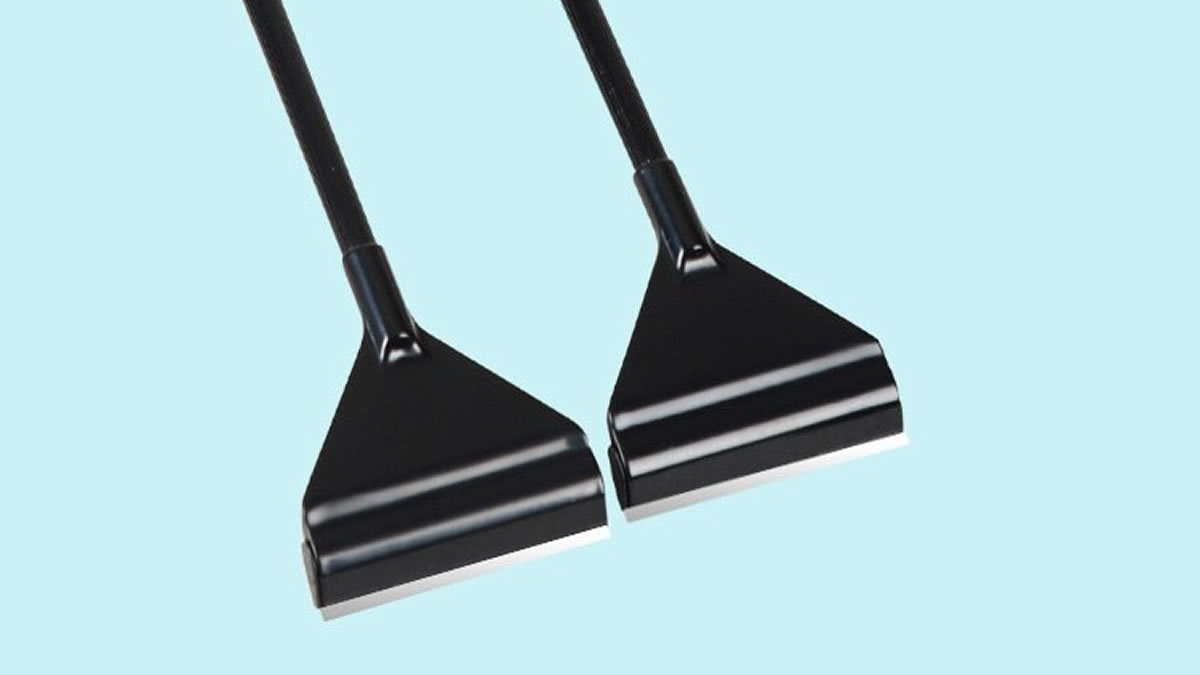
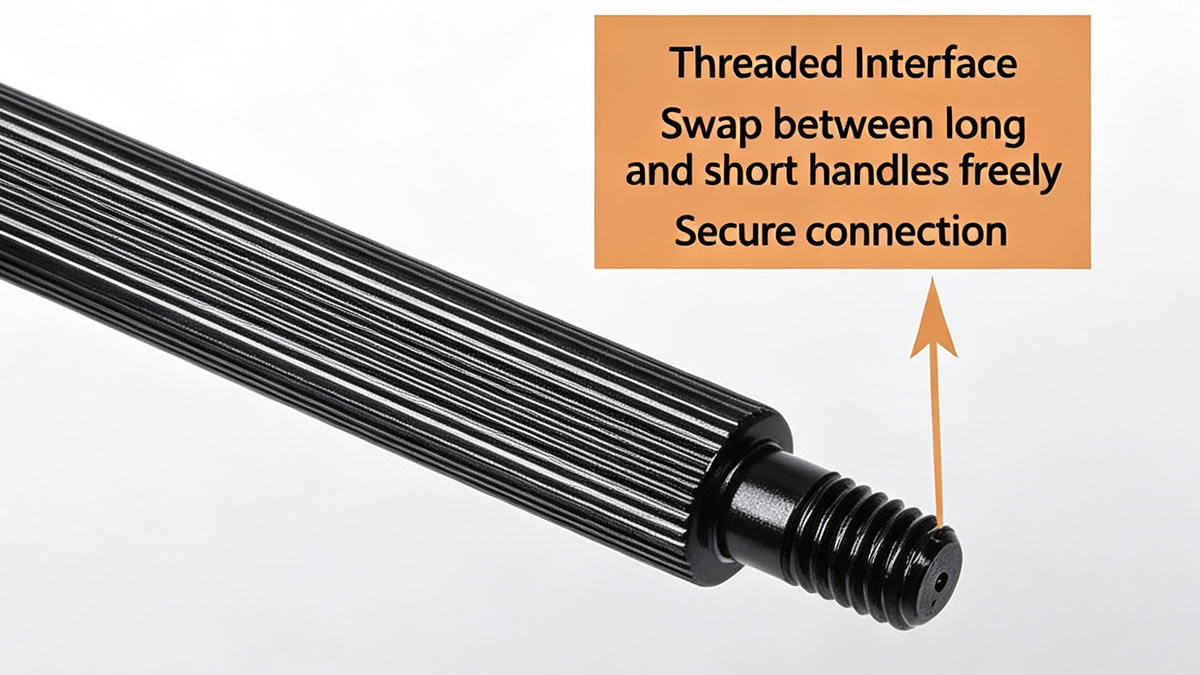
The aquarium algae scraper line covers 35 cm, 44.5 cm and 64.5 cm. Nano and desktop tanks take the short version; deep tanks need the long pole. The threaded interface lets customers combine sections, so a longer reach is a spare-part sale rather than a lost customer.
For wholesale buyers, this is a range you can stock without guessing: the short model is the impulse buy, the long model is the serious-maintenance buy, and the middle model fits most standard tanks.
A practical stocking note for retailers: the 44.5 cm mid-size outsells the other two in most regions because it reaches the bottom glass of standard 60 cm tanks without bending. Stock the middle size deep, and treat the short and long models as the entry and high-end anchors.
6. What Causes Green Algae on Aquarium Glass (and Why It Keeps Coming Back)
Understanding what causes green algae on aquarium glass helps you answer the customer’s real question: “why is this happening to my tank?” Light, nutrients and slow water movement feed it. Removing it with chemicals treats the symptom; an aquarium algae scraper handles the tank mechanically in minutes.
The cause-and-effect loop is worth explaining once: more light hours or stronger bulbs increase growth; overfeeding adds phosphate; low water movement lets deposits settle. When customers understand the loop, they stop blaming the product and start buying the routine — scraper, substrate tool and water-change schedule together.
This is the educational layer that builds trust. When your staff can explain the cause and demonstrate the tool in one visit, the store becomes the expert — and experts get the repeat business.
7. The Wholesale Angle: MOQ, Samples and OEM
For buyers who stock aquarium tools, the commercial terms matter as much as the product. Standard MOQ is 10 pcs, with small trial orders negotiable. Samples are available — the buyer pays freight, and the sample fee is deducted from the bulk order. OEM and private-label options include custom logo, custom packaging and adjustable accessory combos.
That combination — low entry cost, deductible samples, and OEM flexibility — is exactly what a aquarium algae scraper wholesale buyer needs to test a new line without overcommitting.
The same logic applies to every retail partner we supply: start with one sample order, verify the blade quality and packaging in hand, then scale to a container or mixed-size order. Because the sample fee is deductible, the trial has no downside.
Buyers who compare aquarium algae scraper wholesale terms across suppliers settle on three things: blade quality, MOQ flexibility and sample policy.
8. Storage, Cleaning and First-Use Tips (for Your Staff)
Two sentences of product care prevent most after-sales questions. Rinse the blade after use in freshwater and dry it, especially after saltwater contact. Store the aquarium algae scraper with the cover on. Replace the blade at the first sign of dulling — a fresh aquarium algae scraper blade cleans faster and feels sharper, which customers notice immediately.
Keep the demo simple for staff: wipe the blade dry after each use, unscrew the sections apart only when the customer asks about lengths, and hand over the scraper with the cover off so they can feel the blade. First-time buyers often ask whether the edge dulls on glass — the honest answer is yes over time, which is exactly why the replaceable blade system exists. Two blade packs on the shelf beside the tools make the consumable obvious and turn every scraper sale into a re-purchase.
These tips also make good shelf talkers: a small card under the product showing “flip → replace → cover” is enough to answer the three questions staff hear most.
Frequently Asked Questions
Can this aquarium algae scraper work in a saltwater aquarium?
This tool is designed mainly for freshwater tanks. Long-term saltwater exposure accelerates corrosion of metal parts; if used in saltwater, clean it promptly after use.
What is the standard MOQ for wholesale orders?
Standard stock MOQ is 10 pcs. Small-volume trial orders are negotiable.
Can I get a sample before placing a bulk order?
Samples are available on request. The buyer pays international freight, and the sample fee is deducted from the formal bulk-order payment.
Do you support OEM or private-label customization?
Yes. Standard options include plain white boxes with adhesive labels and polybag packaging. Custom logo printing and full-color retail boxes are available for larger orders, and accessory combinations can be adjusted to fit your market.
Are replacement blades included? Can I buy blades separately?
Each unit includes five double-sided replacement blades. Spare blades can be supplied as an independent SKU for bulk orders.
How is lead time confirmed for bulk orders?
Regular bulk orders take 7-15 working days. Custom orders require a longer cycle, and the final lead time is stated on the proforma invoice.
Conclusion: Stock the Tool That Answers a Recurring Complaint
Green spot algae is not going away — it is part of keeping fish. That makes the aquarium algae scraper a staple, not a trend. It removes algae without chemicals, builds a repeat blade business, carries a second use case, and fits tanks of every size.
If you stock aquarium maintenance tools, the aquarium algae scraper is the line to test first. Start with a sample, check the blade economics, and let the demo tank close the sale.
For wholesale inquiries and OEM options — explore our wholesale aquarium algae scraper page, or start with how to remove algae from aquarium glass to see the full maintenance picture.
Written by the ProAquaWorks sourcing team. We supply aquarium maintenance tools to retailers, wholesalers and e-commerce sellers worldwide. Meet the team.