
TL;DR
- A fish breeding box is one of the fastest-moving items in aquarium accessories, because every livebearer keeper — guppy, molly or swordtail — faces the same problem: fry get eaten before they grow.
- The modern double-layer design (upper honeycomb baffle + raised bottom mesh) is what actually protects fry — and it is the detail customers pay for.
- For retailers: stock the floating double-layer box, and you answer most fry-survival questions at the counter before they are asked.
- Wholesale: standard MOQ is 10 pcs, samples are available, and OEM / private label options exist for larger orders.
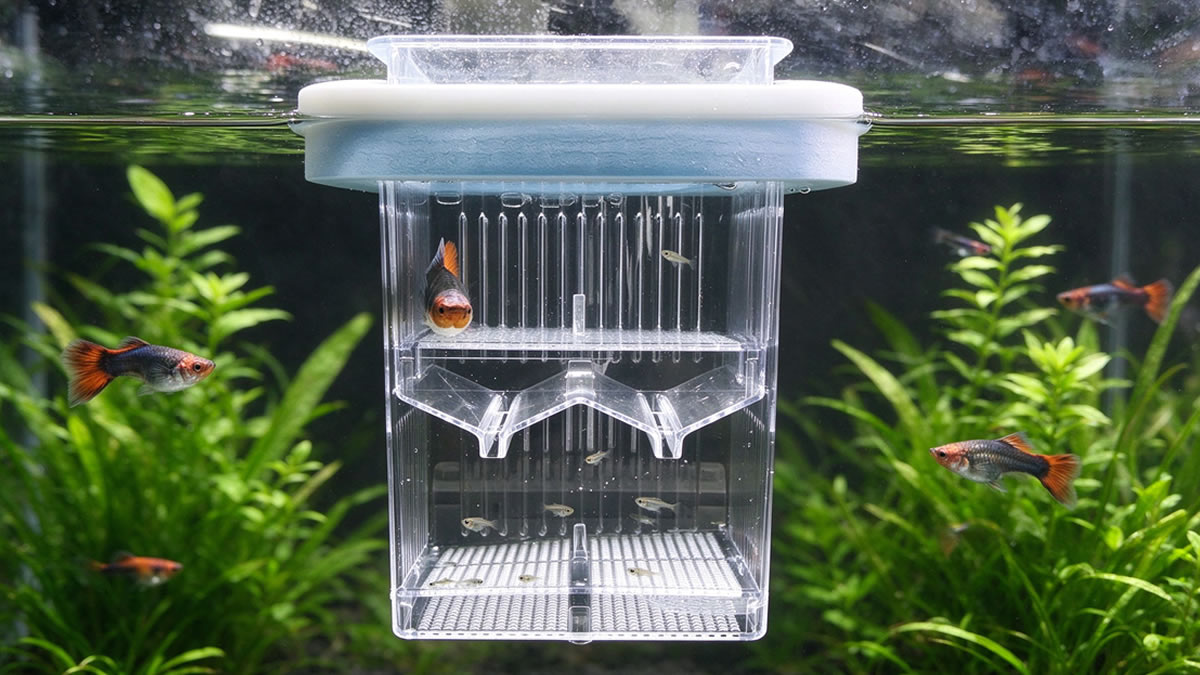
1. Why Fish Breeding Boxes Sell (and Keep Selling)
Livebearers are the entry point of the hobby. Guppies, mollies and swordtails breed on their own, and new keepers soon face an overflowing tank of fry.
Without a fish breeding box, fry survival depends on luck: hiding places, heavy planting and adult fish that happen to be slow. With a floating breeding box, the keeper controls the outcome. That control is what customers pay for.
The retail angle is simple: this is an accessory with a clear job, a visible result (more fry alive) and a repeat customer (the keeper now needs fry food, a grow-out tank, more boxes).
Retailer takeaway: position the breeding box as a “fry insurance” product. Pair it with fry food at the shelf and you raise the basket size naturally.
2. How Does a Double-Layer Fish Breeding Box Protect Fry?
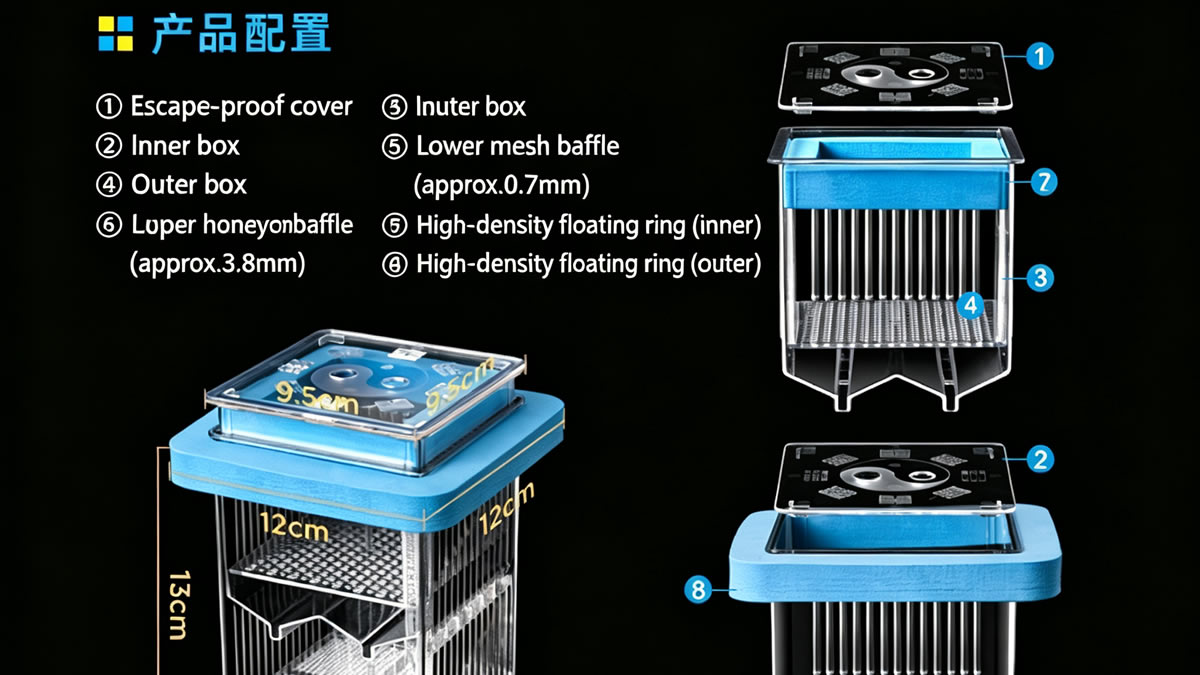
A double-layer fish breeding box protects fry with two separate barriers: an upper honeycomb baffle that stops fry swimming back up to the mother, and a raised finer bottom mesh that stops fish outside pulling resting fry through the floor. Fry drop in once and stay safe until they are large enough to leave.
Not all fish breeding boxes are equal. If you ask what is a fish breeding box, the short answer is an isolation container — but the real difference is the internal structure. A true double-layer box doubles as a fish fry isolation box: fry stay behind two barriers instead of one, which is exactly what fry survival needs.
2.1 The Upper Honeycomb Layer
Traditional funnel designs let fry swim back up through the funnel mouth and get eaten by the mother.
Modern boxes add a honeycomb baffle above the funnel. Fry can drop through the cells, but they cannot swim back up against the honeycomb grid. That second layer is what stops the fry from escaping upward.
2.2 The Raised Bottom Layer
The bottom of many boxes is a mesh with holes. Fry resting on the floor can be pulled out through those holes by fish outside the box.
A well-designed box keeps a second, finer layer at the bottom, slightly raised so fry never touch the outer mesh. Resting fry stay inside; predators outside cannot reach them.
Retailer takeaway: when a customer compares two boxes, point at the honeycomb layer and the raised bottom. These two features decide fry survival — say it in one sentence: “double-layer protection on top, raised mesh below.”
3. Acrylic That Stays Clear
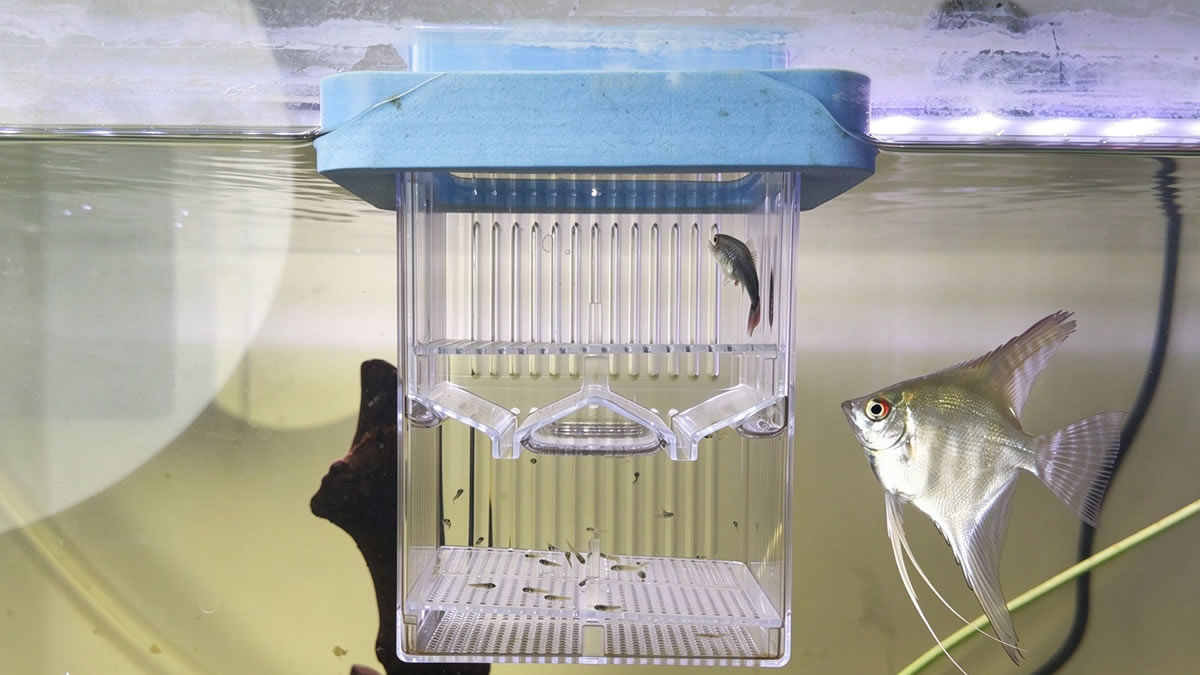
Cheaper boxes use recycled or thin plastic that turns cloudy within months. Customers cannot see the fry, and they assume something is wrong — that leads to returns and negative reviews.
High-transparency acrylic keeps the view clear over time. Keepers can watch spawning, hatching and fry development in real time — an experience that produces reviews, photos and word-of-mouth.
The material is also corrosion-resistant in both freshwater and saltwater setups, which widens the addressable market beyond freshwater livebearers.
Retailer takeaway: let the customer hold the box. Acrylic feels solid and looks clear next to cheaper plastic — the product sells itself once it is in their hand.
4. The Floating Box Workflow: From Birth to Grow-Out
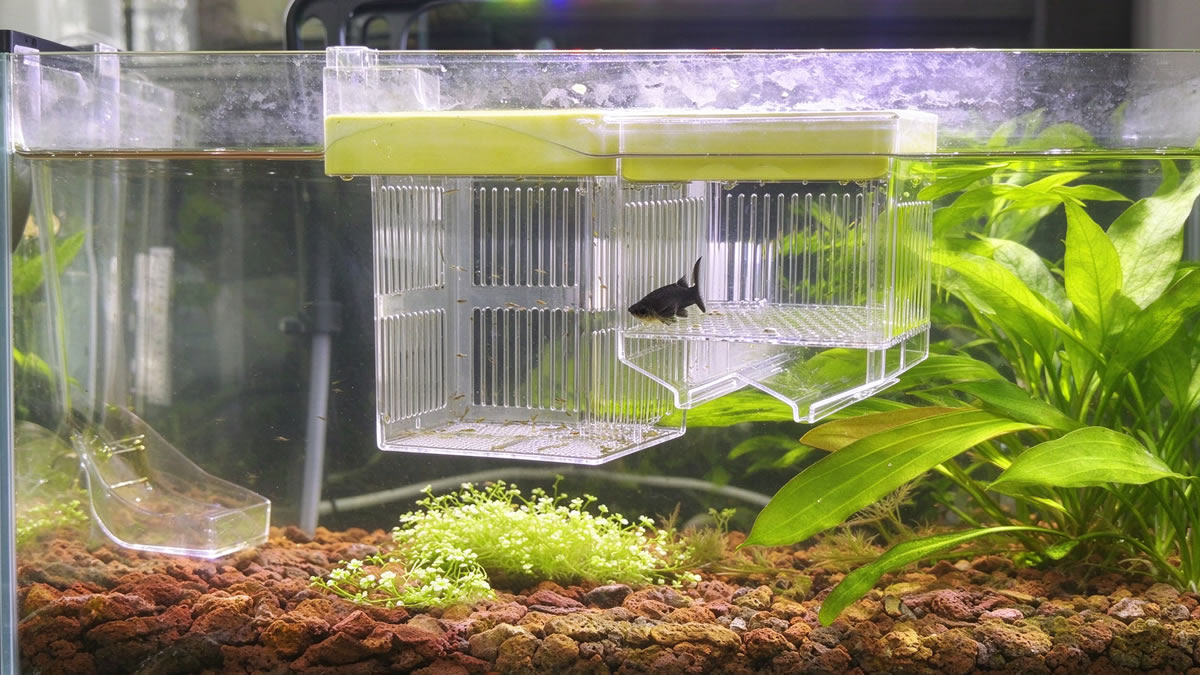
The floating fish breeding box design (no suction cups, no hooks) changes how the box is used across the breeding cycle. The open, ventilated walls keep water moving through the box from all three sides, so tank water and box water stay the same.
- During birth: the box floats at the surface in the same tank. The mother stays in familiar water; no transfer stress.
- After birth: the mother is lifted out with the box and rested in isolation for 3-7 days before returning to the main tank.
- Grow-out: fry stay in the box and are fed until they are large enough to move to a grow-out tank safely. For the first weeks, the box works as a fish fry isolation box until fry pass the fragile stage.
- Ventilation: the box wall is open on three sides, so water and oxygen pass through freely — no stagnation, no separate aeration needed.
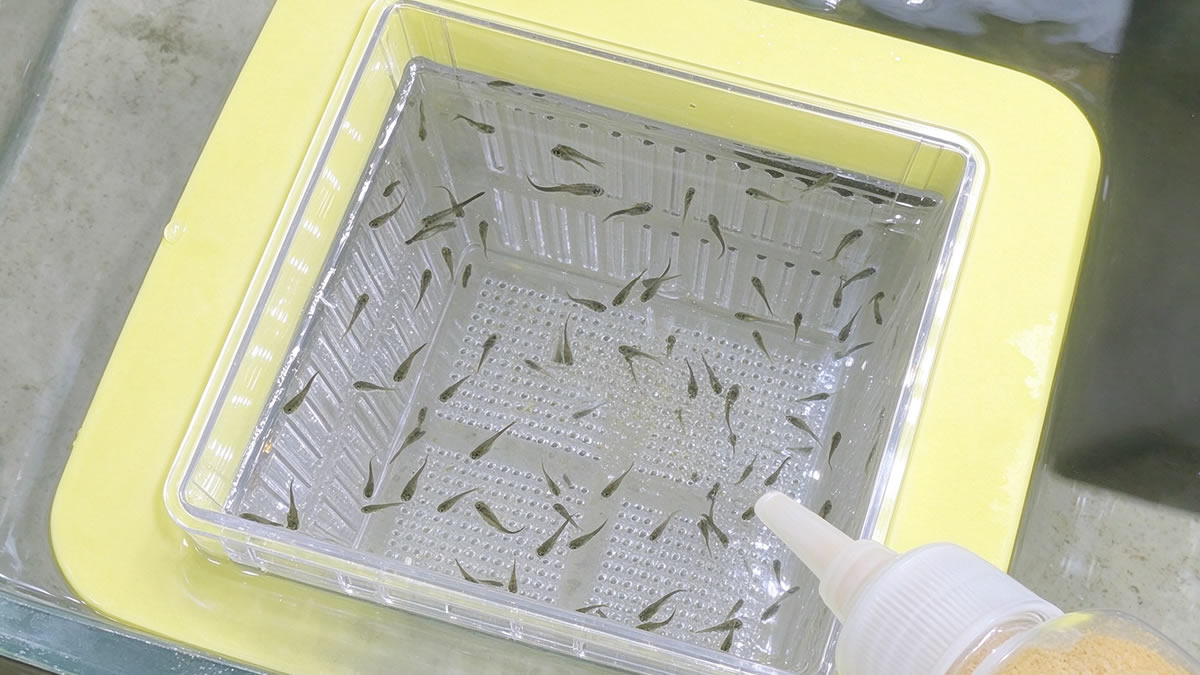
Two lids stop fry from jumping out, and the honeycomb structure blocks the parent from reaching in. The whole workflow runs hands-off.
Retailer takeaway: sell the workflow, not the box. Show the three steps (birth → rest the mother → grow out the fry) and the box becomes a system, worth more than a single container.
5. What Buyers Ask Before Ordering Wholesale
Retailers and distributors ask the same shortlist before placing a first order. Here is the honest, straight answer for each.
5.1 What sizes and fish does it fit?
The standard fish breeding box suits small livebearers — guppies, mollies, swordtails and platies — in standard household and commercial tanks, and most guppy breeding box setups use it exactly this way. It is not built for large carnivorous fish, ultra-deep tanks or outdoor ponds.
Check the size spec: inner box 9.5 x 9.5 x 9.5 cm, outer box 9.5 x 9.5 x 13 cm.
5.2 Is it saltwater-safe?
Yes. The acrylic and durable, corrosion-resistant plastic handle saltwater without degrading; the same SKU works for freshwater and marine tanks.
5.3 Do you support private label and OEM?
Yes. Standard orders ship in neutral polybag with white box and sticker labels; custom logo printing and retail color boxes are available for larger orders (custom MOQ 500 pcs). See our OEM aquarium supplies page for the full process.
5.4 What is the MOQ?
Standard wholesale MOQ is 10 pcs — a low trial bar for new customers. Sample fee can be deducted from the first bulk order.
5.5 What are the lead time and trade terms?
Regular bulk orders ship in 7-15 working days; customized orders take longer. We quote EXW, FOB Shanghai or CIF, with T/T, Western Union and PayPal accepted.
Retailer takeaway: the 10-piece MOQ and sample-deduction policy make it easy for a small store to test one SKU before committing. Pass this message on when a buyer hesitates.
6. Three Colors, One Shelf Position
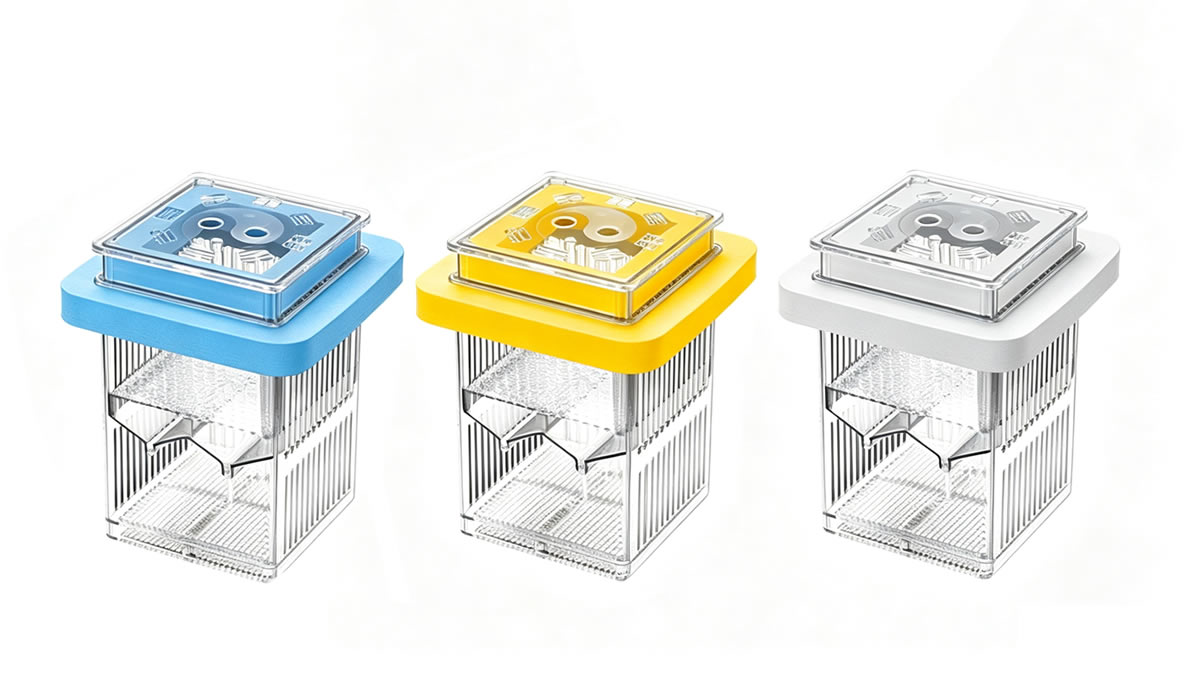
The floating ring comes in blue, yellow and white. For a retailer this is a mini-SKU strategy: three colors on one peg, and the customer chooses by taste instead of walking away.
Retailer takeaway: order mixed colors in the same batch — it costs the same freight and sells better than a single-color run.
Frequently Asked Questions
What is a fish breeding box?
A fish breeding box is a floating isolation container that keeps newborn fry separate from adult fish. It floats inside the main tank so water stays consistent while fry are protected from being eaten.
How does a double-layer breeding box protect fry?
The upper honeycomb baffle stops fry from swimming back up to the mother, and the raised bottom mesh stops outside fish from pulling resting fry through the floor. Together they keep fry inside until they are big enough to move out.
Can I use a guppy breeding box for saltwater fish?
Yes. The high-transparency acrylic and durable, corrosion-resistant plastic handle saltwater without degrading, so the same box works for freshwater and marine tanks.
How long should the mother fish rest after giving birth?
Keep the mother isolated in the floating box for 3-7 days after birth so she rests in familiar water before returning to the main tank.
What is the minimum order for wholesale aquarium fish breeding boxes?
Standard wholesale MOQ is 10 pcs. Small trial orders are accepted for new customers, and the sample fee can be deducted from the first bulk order.
Can I get a private label fish breeding box with my own brand?
Yes. White boxes with sticker labels are standard, and custom logo printing plus retail color boxes are available for larger orders. OEM and ODM services are supported.
Conclusion: One SKU That Answers Many Questions
A fish breeding box is a small item with a big job: it protects fry, simplifies breeding and gives retailers a product that sells itself through visible results.
Stock the double-layer floating box, pair it with fry food, and you have a category corner instead of a single SKU.
For wholesale aquarium fish breeding boxes with OEM options, check the full breeding box collection on the Tanks & Breeding category page, or start with a 10-piece trial order.
About the author: Written by the ProAquaWorks editorial team, a B2B aquarium wholesale team that tests and stocks livebearer breeding gear for retail partners. More about our team.