
TL;DR
How to import aquarium products from China saves 30–50% on wholesale cost, and the full process runs about 6–8 weeks from first inquiry to warehouse.
The safe sequence is: find a supplier → order samples → run a small trial order → check documents and quality → ship with a freight forwarder.
Choose FOB pricing, confirm landed cost before you commit, and keep a compliance checklist for every electrical or chemical category.
Why You Should Consider a Chinese Aquarium Supply Chain
For a US or EU aquarium retailer, how to import aquarium products from China is no longer exotic. It is about margin. Chinese aquarium manufacturing clusters cover nearly every category you stock: acrylic tanks and breeding boxes, filtration media, air pumps, heaters, measuring cups, siphons, scrapers, and plant holders. You can source aquarium products from China and carry a wider catalog than a domestic-only competitor, at a wholesale cost that still leaves room for freight, duties, and your own margin.
This guide is written from inside the trade. We are a China-based aquarium products trading company with an OEM and private-label operation, shipping stock to retail partners abroad for years. We do not sell retail; we supply retailers. This article is the route we actually walk with every new buyer: supplier selection, sample checks, trial orders, US compliance, shipping, and landed cost. If you want the sourcing-side overview first, our earlier article on sourcing aquarium accessories from China covers platforms and vetting; this one focuses on the import operation itself.
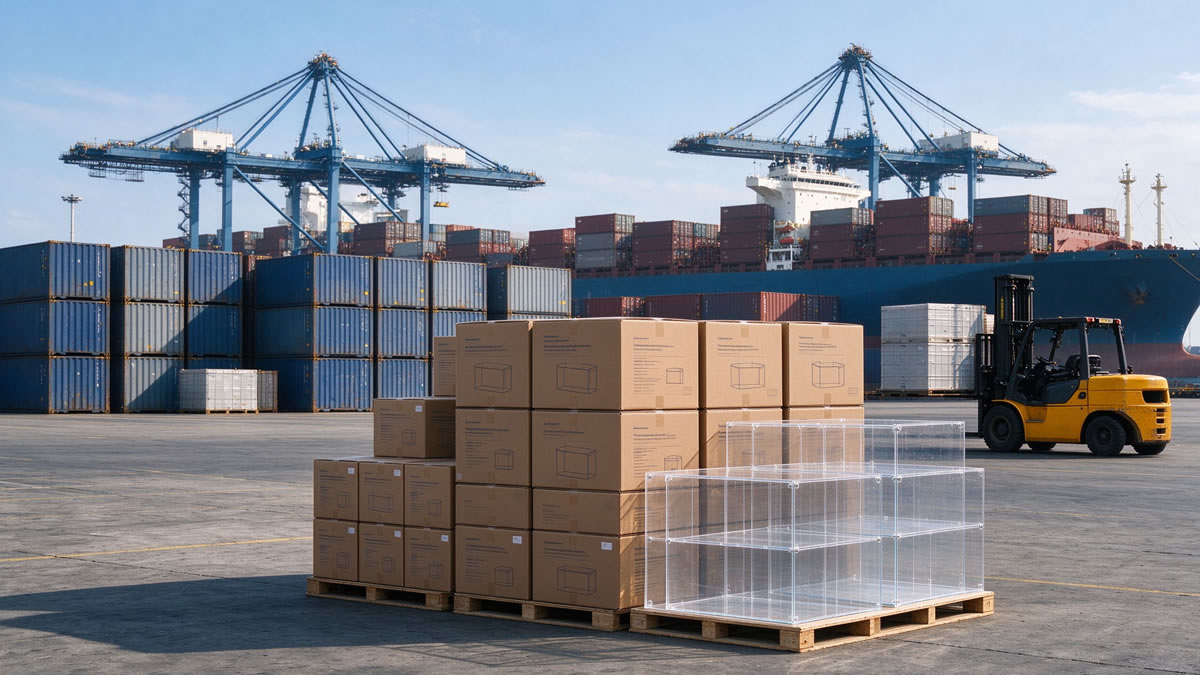
1. How to Import Aquarium Products from China, Step by Step
The import path has six stages. Follow them in order, and most problems become preventable: bad batches, missed deadlines, and customs surprises included.
Step 1 – Find suppliers. Three channels work: B2B platforms (Alibaba, Global Sources, Made-in-China), direct outreach to aquarium manufacturers in China, and trade shows such as Aquarama and Global Pet Expo. Platforms help you compare prices quickly; direct factory outreach gets you better unit pricing once volumes grow; shows let you inspect goods in person. Search terms that work: “import aquarium supplies from china”, “aquarium manufacturers in china”, “china aquarium suppliers”.
Step 2 – Order samples. Always order 3–5 pieces of each shortlisted item before negotiating a bulk price. Check acrylic thickness, joint quality, print quality, and whether the product matches the listed specs. Keep samples as your quality benchmark for the production batch.
Step 3 – Run a small trial order. Start with one container line or a modest quantity per SKU, enough to test production, packing, and delivery timing without risking a large payment. A trial order also shows how the supplier handles defects and deadlines when money is actually on the line.
Step 4 – Verify documents and quality. Request the commercial invoice, packing list, and any certificates relevant to your category (details in Section 2). For quality, use a checklist: dimensions, weight, material, print, function. Ask for photos or video of the packed goods before dispatch.
Step 5 – Place the production order. Agree on MOQ, unit price, payment terms, and delivery date in writing. Common terms: 30% deposit by TT, 70% balance against a copy of the B/L; LC for larger orders.
Step 6 – Ship. Hand the cargo to a freight forwarder for sea or air freight, customs clearance, and final delivery (Section 3).
Retailer takeaway: When you bring in a new category, test it with one SKU at a time. A 10-piece MOQ per SKU is typical, cheap enough to validate demand before you scale.

2. US Compliance Essentials
Compliance is the part of learning how to import aquarium products from China that trips up first-timers. It depends on the category. A few rules every importer should keep on file:
- Electrical items (heaters, pumps, lights): If the product plugs in, US retailers generally expect UL or ETL certification. Ask the supplier for test reports before ordering; without certification, most US retail channels will not accept the SKU. (Our own catalog is acrylic and iron goods: tanks, breeding boxes, measuring cups, scrapers, and plant holders, none of which require electrical certification.)
- California Proposition 65: Any product sold into California needs a review of listed substances. Your supplier should provide material declarations; keep them in your compliance file.
- HTS classification and duties: Every product has an HTS code. Classification determines the duty rate (commonly 3–8% for aquarium accessories; always verify with your customs broker). Wrong classification causes delays and penalties.
- Importer of Record (IOR): The party that files the entry is legally responsible for the goods. US buyers usually act as IOR, or use a customs broker with power of attorney.
Retailer takeaway: Keep one compliance checklist per SKU: certificate (if electrical), material declaration (Prop 65), HTS code, and a photo of the label. It takes 15 minutes per product and saves you from customs holds later.
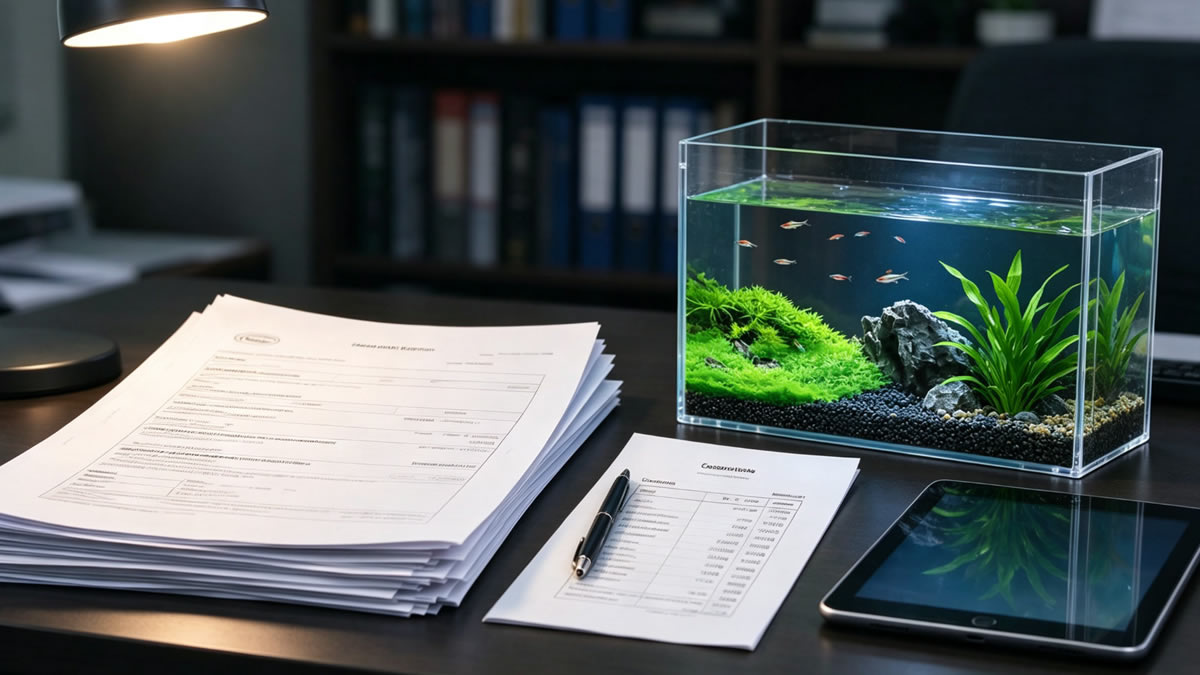
3. Shipping and Landed Cost: Do the Math
Most of the arithmetic in learning how to import aquarium products from China comes down to three terms and one formula. Three pricing terms dominate: FOB (you pay freight and insurance after the goods leave China), CIF (price includes freight and insurance to the destination port), and DDP (delivered duty paid, supplier covers everything). For most first orders, FOB plus your own freight forwarder gives you the most control when you import aquarium supplies from china to usa.
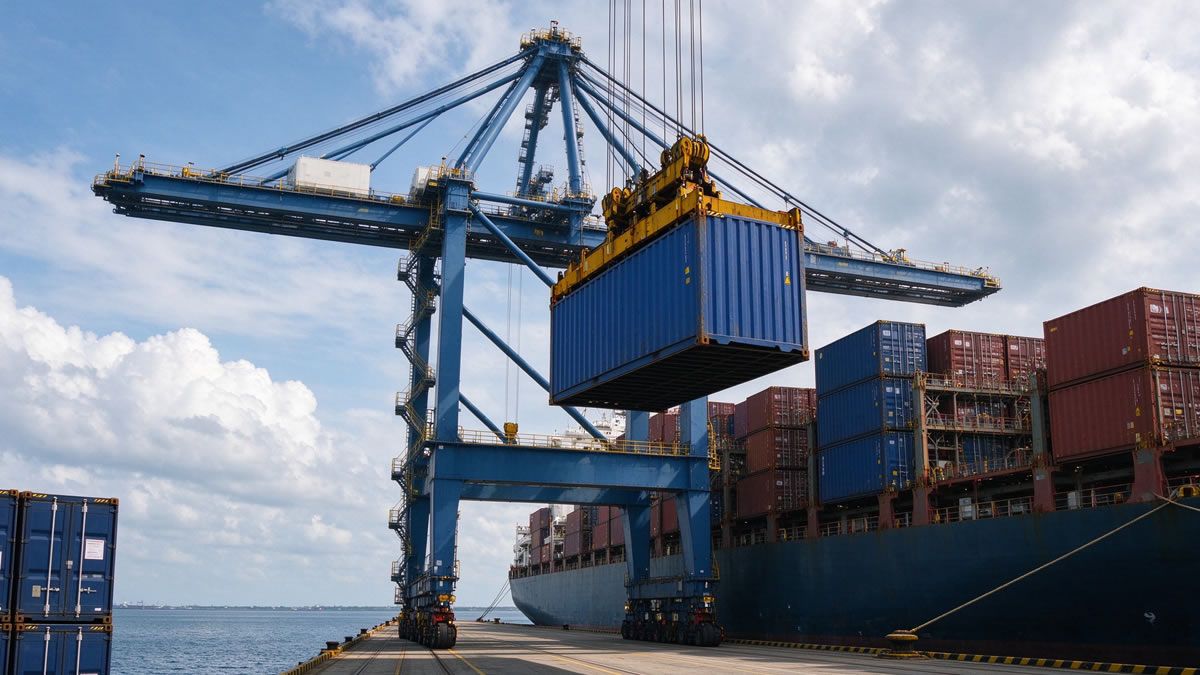
Shipping options: Sea freight (LCL or FCL 40HQ) takes roughly 30–40 days from China to a US west-coast port; air freight takes 5–10 days but costs 4–6 times more. For slow-moving aquarium accessories, sea LCL is the default. A 40HQ container holds about 65 cubic meters and 20–25 tons, enough for a full first catalog.
Landed cost formula: FOB price + freight + insurance + import duty + customs brokerage + inland delivery = landed cost. Example: FOB $0.80/unit, sea freight share $0.15, duty 4.5%, brokerage and delivery $0.06, landed ≈ $1.05/unit. If your retail price is $4.99, the margin works before you even negotiate harder.
Retailer takeaway: Never sign an order on FOB alone. Get a freight quote first, then compute landed cost per unit. That number, not the FOB price, is your buy price.
4. Common Mistakes and How to Avoid Them
Four problems repeat when you learn how to import aquarium products from China:
- Quality drift. The sample is great; the bulk batch is not. Fix: lock the sample, put specs in the contract, and require pre-dispatch photos.
- Late shipments. Fix: put a delivery date with a penalty clause in the PO, and add two weeks of buffer to your own plan.
- IP issues. Do not order unbranded copies of a known brand’s design. Buy from suppliers who confirm original design or your own spec.
- Small MOQ dead ends. Many factories refuse orders under 100 pieces. This is where a flexible trading partner with low MOQs and private-label support becomes the workaround. Small-batch OEM and private label is built exactly for this.
Retailer takeaway: When you cannot meet a factory MOQ, find a supplier who aggregates demand: same products, your brand, lower minimum. That is the whole point of a trade-based OEM partner.
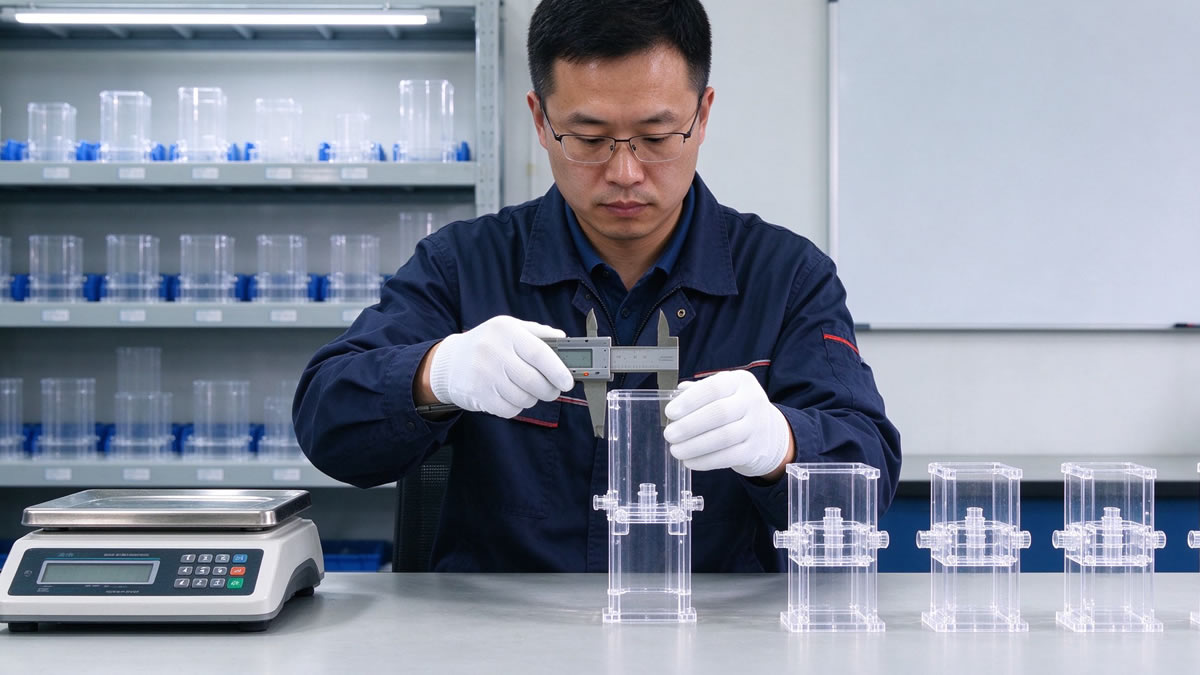
5. How to Judge a Chinese Aquarium Supplier
These checks matter because how to import aquarium products from China is mostly a trust exercise. You cannot inspect every factory in person, and for small orders no one expects you to. What you can do, cheaply:
For small-batch OEM and private-label orders, our earlier guide on small batch aquarium OEM private label covers how to vet a supplier for custom work.
- Document check. Business license, company banking details, and documents issued under the supplier’s own letterhead. Registered names must match, and addresses must be verifiable. A supplier who can invoice and accept payments through a real corporate account is a working business, not a front.
- Sample test. Order samples before negotiating bulk pricing. A supplier who ships samples promptly and deducts the sample fee from your first bulk order signals a serious partner.
- Response quality. How fast do they reply? Do they answer spec questions precisely, or only talk price? Response speed and precision correlate with production discipline.
- Larger orders: visits can be arranged. Once volumes justify it, a factory or warehouse visit is the strongest signal; for small orders, document-plus-sample verification is the professional norm.
- Bonus: Suppliers who can share stable customer references earn extra points, but for your first order a solid document trail and reliable samples matter more.
Against these checks, a China-based trading company with OEM partners and a warehouse is often the right fit: factory-level pricing across many SKUs, one accountable counterpart, and low MOQs.
Retailer takeaway: Judge suppliers the way you would judge any vendor: evidence, samples, and communication, not promises. Keep a scorecard per supplier and re-score every six months.

Frequently Asked Questions
No single guide on how to import aquarium products from China covers every category’s paperwork, but the framework above applies to most. The five questions we hear most:
How long does shipping from China to the US take?
Sea freight takes roughly 30–40 days from port to port; air freight takes 5–10 days. Most first orders use sea LCL for aquarium accessories.
What is the minimum order quantity?
Our standard MOQ is 10 pieces per SKU for stock products. Custom-branded orders may have a slightly higher minimum depending on the SKU.
Can I customize the brand and packaging?
Yes. We offer OEM and private-label service: your logo, your packaging design, printed labels on the product. Small-batch customization is our standard workflow.
How do I calculate import duties?
Duties depend on the HTS classification of each product. Ask your customs broker for the rate before shipping; aquarium accessories commonly fall in the 3–8% range, but verification is required per SKU.
Do you support drop shipping?
We support wholesale and small-batch orders for retail partners. For drop shipping, contact us with your expected volume and we will confirm what fits your operation.
How to Import Aquarium Products from China: Start Building Your Margin
Buy import-ready aquarium products wholesale, with your brand on every box.
If you are learning how to import aquarium products from China, start with the catalog that sells fastest in aquatics: wholesale aquarium measuring cups and bulk aquarium breeding boxes lead the reorder list, followed by siphon water changers, algae scrapers, and aquarium plant holders. We can supply the whole range with your brand on it. Explore our OEM service page, then get a wholesale quote for your first container.
About the Author
Written by the ProAquaWorks team, a China-based aquarium products supplier serving retail partners with wholesale, OEM, and private-label orders.